
July 19, 2026
The Strategic Recruiting Advantage: How Law Firms Are Using Data, Partnerships, and Innovation to Drive Growth in 2026
The legal landscape of 2026 is no longer defined by who has the most mahogany in their lobby, but by who has the most strategic talent in their practice groups. As we navigate the…

The legal landscape of 2026 is no longer defined by who has the most mahogany in their lobby, but by who has the most strategic talent in their practice groups. As we navigate the midpoint of this decade, the "growth at all costs" mentality of previous years has been replaced by a surgical, data-driven approach to hiring.
For law firm partners and hiring managers, the challenge is clear: demand for specialized legal services is at a ten-year high, but the pool of elite, tech-fluent talent is more selective than ever. How do you win in this environment? You stop treating hiring as a reactive administrative task and start treating it as a strategic growth lever.
At SHER Legal Solutions, we see the shift happening in real-time. The most successful firms are moving away from traditional legal staffing agencies and toward high-impact, direct-hire recruiting partnerships that prioritize long-term ROI over quick fixes.
1. Beyond "Staffing": The New Era of Strategic Recruiting
For years, the industry used the term "staffing" to describe the act of filling seats. In 2026, that terminology is obsolete for firms aiming for the AmLaw 100 or high-growth boutique status. Why? Because "staffing" implies a temporary fix, whereas modern growth requires permanent, foundational talent.
While you may search for legal staffing solutions to address immediate gaps, the real competitive advantage lies in professional legal recruiting agencies that understand the nuance of direct-hire placement. In 2026, hiring is about targeted capacity. Firms are no longer just looking for "an associate"; they are looking for a specific skill set: AI fluency, ESG regulatory expertise, or a portable book of business: that aligns with their five-year profitability roadmap.
The shift is palpable: Recent data shows that lateral hiring now accounts for nearly 49% of all experienced attorney hires. This means your growth depends almost entirely on your ability to attract talent that is already successful elsewhere. That isn’t a task for a generalist; it’s a job for a specialized partner.
2. Data-Driven Growth: The Standard for 2026
If you aren’t using data to drive your hiring decisions, you’re essentially recruiting with a blindfold on. The top legal recruitment firms in 2026 are using predictive analytics to identify "future-fit" candidates long before they even update their LinkedIn profiles.

What does data-driven recruiting look like in practice?
- Predictive Churn Metrics: Identifying practice areas where turnover is likely to occur before it happens.
- Skill-Gap Analysis: Mapping your current team’s capabilities against emerging client needs (like AI-assisted litigation or data privacy regulation).
- Integration Velocity: Measuring how quickly a lateral hire becomes profitable: a metric that is now as important as the hire itself.
By partnering with a sophisticated legal search firm, law firms can access these insights, ensuring that every direct-hire placement is backed by a business case, not just a gut feeling.
3. The Houston Hotspot: A Microcosm of National Competition
Nowhere is the battle for talent more intense than in the Lone Star State. Houston legal staffing and recruiting have become the frontline for national competition. With nearly every AmLaw 30 firm now maintaining a major presence in Houston, the city has become a "high-demand, premium market" where the traditional rules of hiring have been rewritten.

In Houston, growth is being fueled by a unique convergence of energy transition, infrastructure, and complex litigation. This has created a "retention premium" for attorneys who understand these specific sectors. If your firm is looking to expand here, relying on generic attorney headhunters won’t suffice. You need a partner with deep local roots and a national reach: someone who knows the Houston market’s pulse.
Whether you are a local boutique or a global powerhouse, your ability to secure talent in this "hotspot" is a direct indicator of your firm’s overall health.
4. Remote & Borderless: The Evolution of "Remote Legal Staffing"
In 2026, the debate over "return to office" has largely settled into a sophisticated hybrid reality. Remote legal staffing is no longer a perk; it is a permanent strategic lever used to access elite talent in markets where you may not have a physical brick-and-mortar presence.
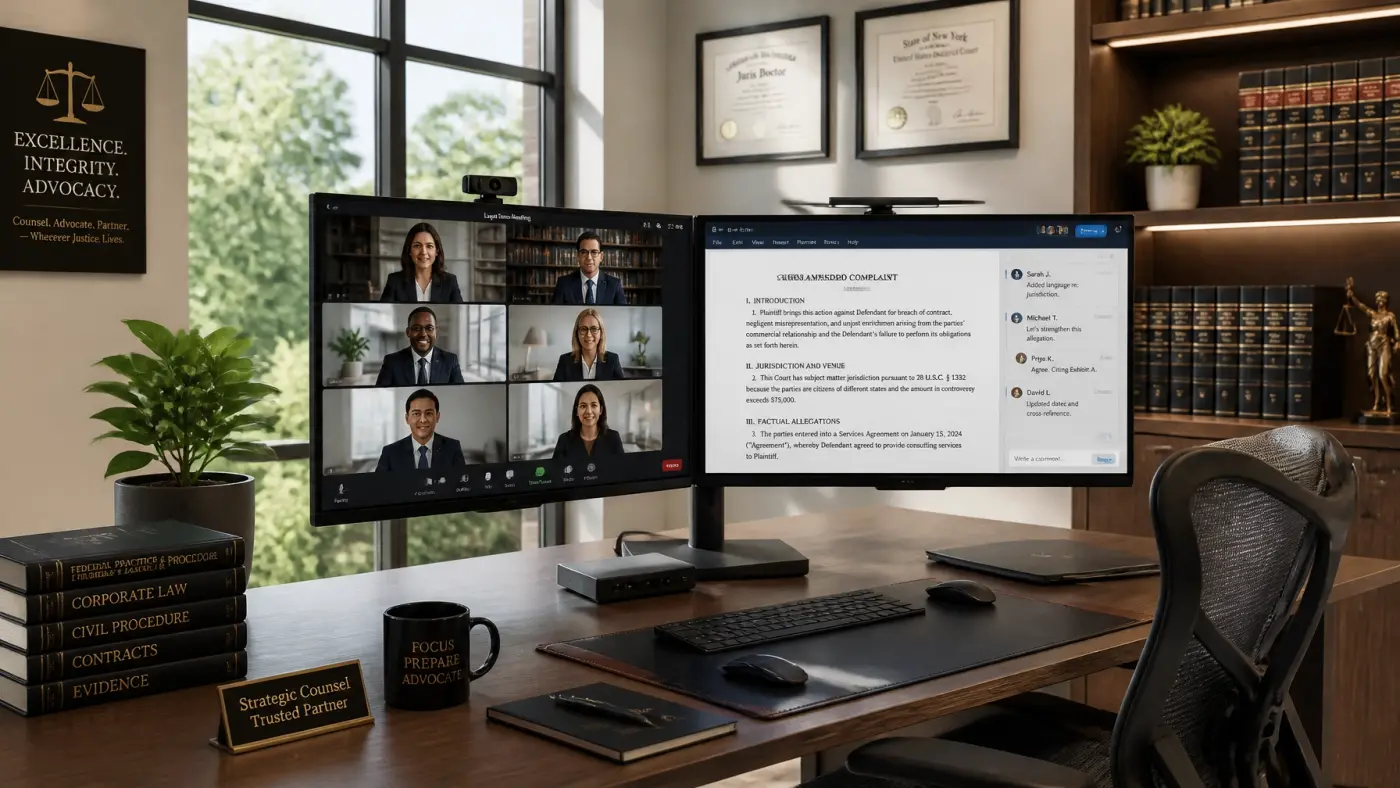
Forward-thinking firms are using borderless talent strategies to:
- Diversify Talent Pools: Hiring the best litigator in the country, even if they live three states away.
- Reduce Overhead: Leveraging high-quality remote professionals to maintain lean physical footprints.
- Increase Retention: Offering the flexibility that top-tier candidates now demand as a baseline.
However, managing a remote or hybrid direct-hire search requires a specific set of vetting tools to ensure cultural fit and technical integration. This is where the expertise of experienced law firm recruitment agencies becomes invaluable. You aren’t just hiring a person; you’re hiring a workflow.
5. The ROI of Specialized Legal Headhunters
Why are firms moving away from in-house HR-led searches and back toward specialized legal headhunters? Because the cost of a "bad hire" in 2026 is higher than ever. With associate salaries at record highs, a lateral integration failure can cost a firm upwards of $500,000 in lost productivity, recruitment fees, and client relationship damage.

A specialized partnership with SHER Legal Solutions offers:
- Access to the "Passive" Market: Most of the talent you want isn’t looking at job boards. We maintain relationships with these individuals years before they are ready to move.
- Market Intelligence: We know what your competitors are paying, what their culture is really like, and why their people are leaving.
- Strict Confidentiality: High-stakes lateral partner moves require a level of discretion that in-house teams often cannot maintain.
The Bottom Line: In 2026, the firms that grow are the firms that treat recruiting as a core business function. By leveraging data, embracing the Houston market’s intensity, and utilizing the borderless nature of modern legal work, you can turn your talent acquisition into a profit center.
Ready to Build Your Strategic Advantage?
At SHER Legal Solutions, we don’t just fill roles; we build the teams that drive law firm growth. Whether you are navigating the complexities of the Houston market or looking to scale your remote capabilities, we provide the direct-hire expertise you need to succeed.
Contact SHER Legal Solutions today to discuss how our legal staffing solutions and recruiting expertise can secure your firm’s future.
Explore our latest services or learn more about 2026 legal recruiting trends.